Energy Department Orders PJM to Run Backup Generators at Data Centers as 61,000 MW of Power Plants Sit Out for Maintenance
The Energy Department has issued another emergency order under Section 202(c) of the Federal Power Act, the provision that lets it override environmental limits and market rules during grid emergencies. Order 202-26-50 runs from October 13 to 16. It allows PJM Interconnection, the grid operator for 13 states from New Jersey to Illinois and Washington DC, to call on backup generators at large electricity users, mostly data centers, if supply runs short.
According to the order, 61,591 megawatts of PJM generation was out for planned and unplanned maintenance during a week of unseasonably warm weather, against forecast demand of about 111,500 MW. Fall is the usual season for maintenance, before winter peaks. The order lets backup units run beyond the hours their air permits allow.
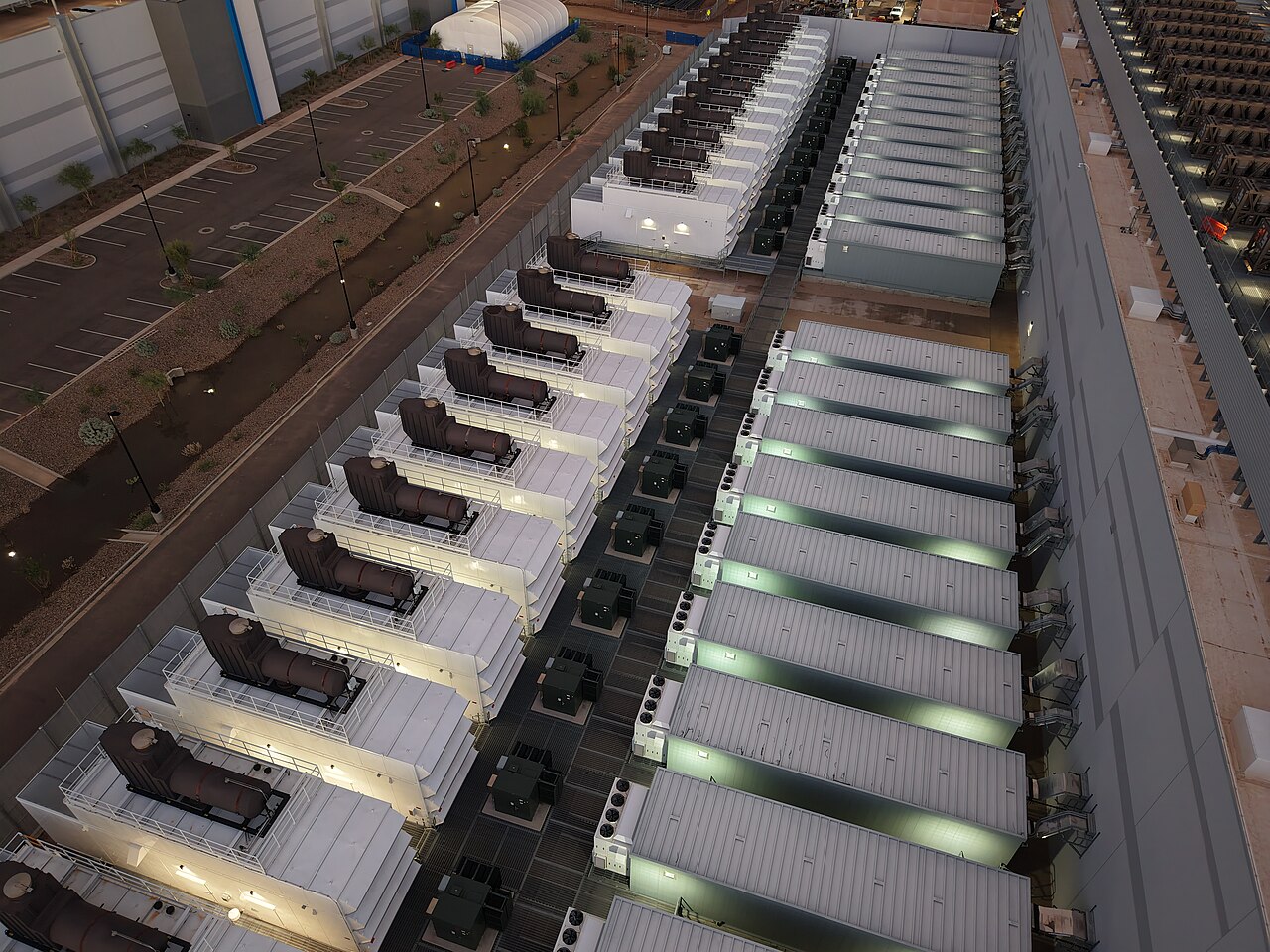
Photo: Rsparks3, CC0 via Wikimedia Commons
A pattern of orders
This is one of dozens of 202(c) orders the department has issued this year. Most have kept coal plants open that were due to retire, which we covered in our earlier post. Using data-center diesel and gas generators as grid backup is a newer step. The administration has argued that big new loads should bring their own supply or help in emergencies, and PJM’s market already struggles with capacity prices driven up by data-center demand.
Backup generators at data centers are typically diesel. Running them adds local air pollution near the sites, many of them in northern Virginia, which state regulators have limited through permits.
TVA award
The department also announced a $250 million federal grant toward a $581 million Tennessee Valley Authority grid project called “Resilience Amplified.” The award comes from the grid resilience program funded by the 2021 infrastructure law and appears to be a re-announcement of money already selected.
Why it matters
A grid that needs emergency orders in a mild October, with nearly a third of capacity offline, is tight. The 202(c) power was written for short, unexpected crises. Using it routinely, for retirements and now for maintenance seasons, moves decisions on reliability from the Federal Energy Regulatory Commission and the states to the Energy Secretary. Courts are still deciding challenges to the coal orders. Congress has held no hearing on how often the power is being used.